I bridge planning, research, and public commentary to investigate how industrial policy and design decisions physically reshape our world. My work is driven by a theory of practice where the analysis of shifting land and infrastructure leads to a critique of the power structures governing them and a praxis of testing these insights against actual sites and institutions through fieldwork and professional engagement.
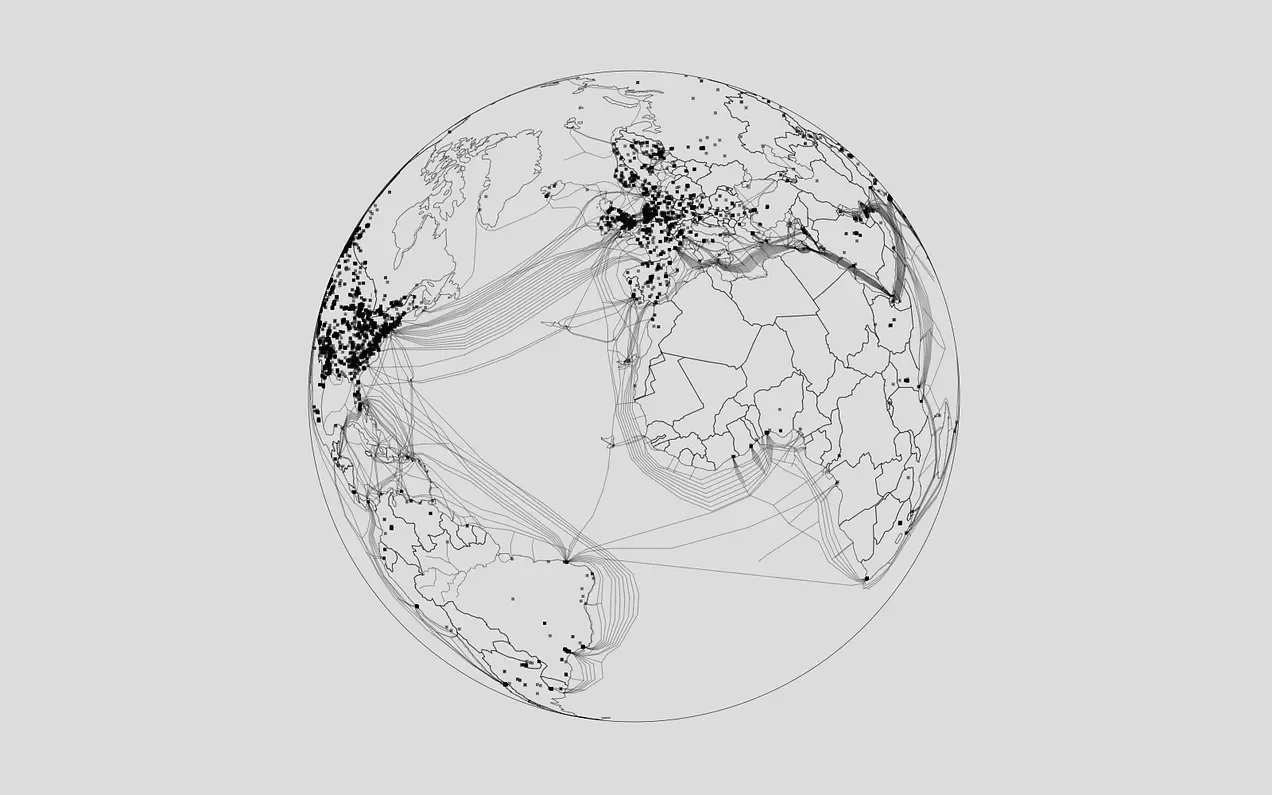
Introducing the Atlas of Data Center Politics
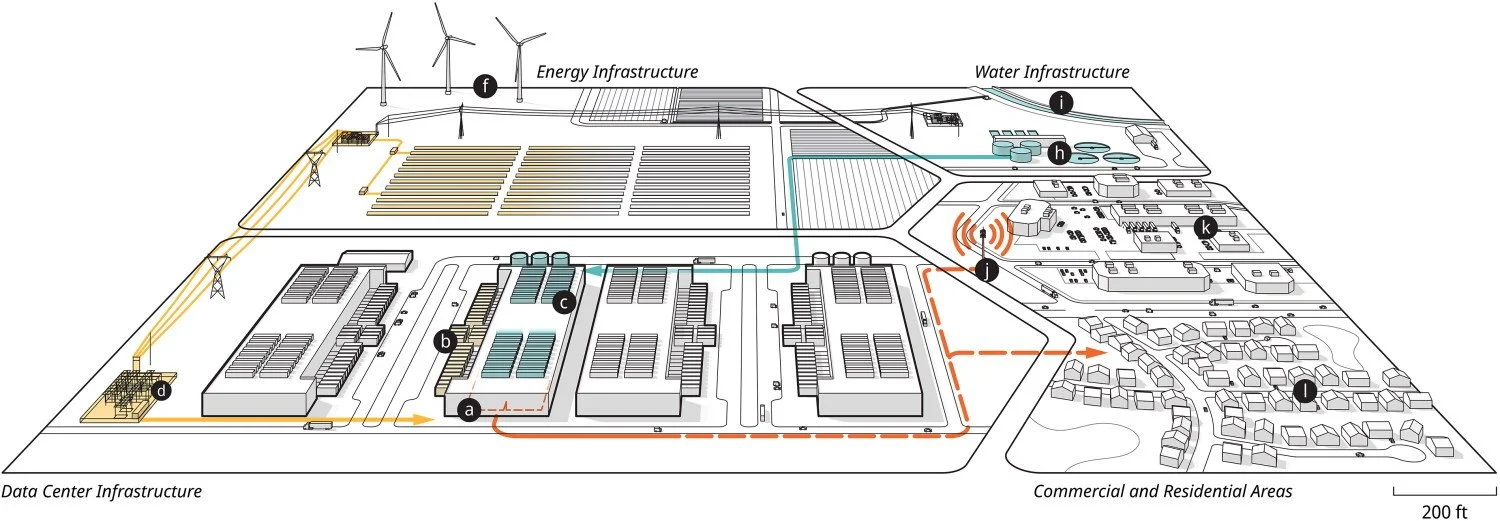
Planning conflict in the age of AI infrastructure: Governing data center growth in the United States
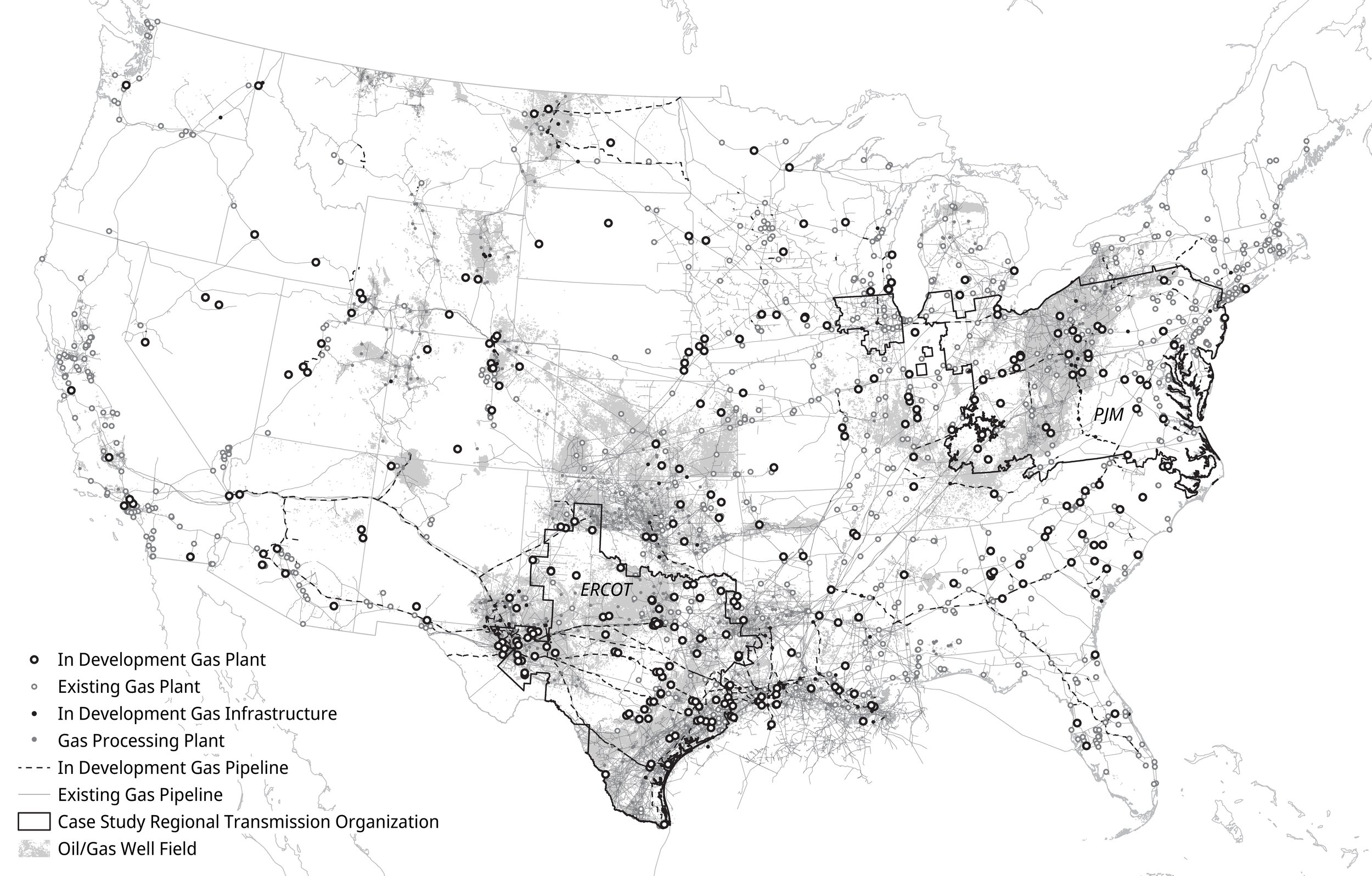
The fossil-AI nexus: Petrostate capitalism, computing power, and the production of powered land
The so-called AI boom is part of an infrastructure-led industrial strategy, converting speculative computing demand into bankable fossil generation, transmission expansion, and water- and land-intensive industrial sites. This article bridges digital infrastructure studies and the new state capitalism literature by theorising compute as a socially produced resource whose availability depends on territorial governance. I argue that the buildout is being assembled through a fossil–AI nexus, a fossil–finance–platform coalition that produces powered land: an emergent asset form whose value derives from positionality in a constrained energy system that secures deliverable ‘firm’ power through revenue guarantees, deliverability rights, and cost-allocation arrangements. Drawing on a review of major gas-to-data centre co-location projects and a comparative analysis of PJM and ERCOT, I identify three recurring de-risking channels that convert uncertain load forecasts into durable, carbon-intensive infrastructure: revenue certainty, delivery certainty, and cost shifting. I show how ‘reliability,’ alongside security and competitiveness framings, compresses timelines, translates engineering criteria into bankability, and narrows public contestation. I also show how opacity, or ‘blackboxing,’ stabilises powered land by restricting access to contractual and cost-allocation terms, while relocating politics to transparency disputes and siting conflicts over where data centres go and who pays for the buildout.

Meta Left its own Silicon Valley Community Stranded for the AI Boom

Will the Supreme Court Enable a New Era of Executive and Monopoly Power?

The State Legislative Battle Over AI Infrastructure

Beyond the Boom and Bust—the Horizon of Consolidation and the Coming Scramble for AI Infrastructure

Fossil AI II—Petrodollars and the AI Infrastructure Boom

Fossil-Compute Landscapes of Texas

The United States in Venezuela II—How to Sabotage an Oil State (2002-2026)

The United States in Venezuela I—How to Build an Oil Empire (1920s-2002)

Behind the Federal Power Grab to Fast-Track AI

AI Industrial Strategy III—Executive Action and State Preemption to Override Local Data Center Opposition

Fossil AI I—Finance Capital's New Utility Frontier

Semiconductors, Sprawl, and the Making of Arizona’s Techno-State

The Structural Violence of Risk Management Behind the AI Infrastructure Bubble

The Compute-Industrial Complex
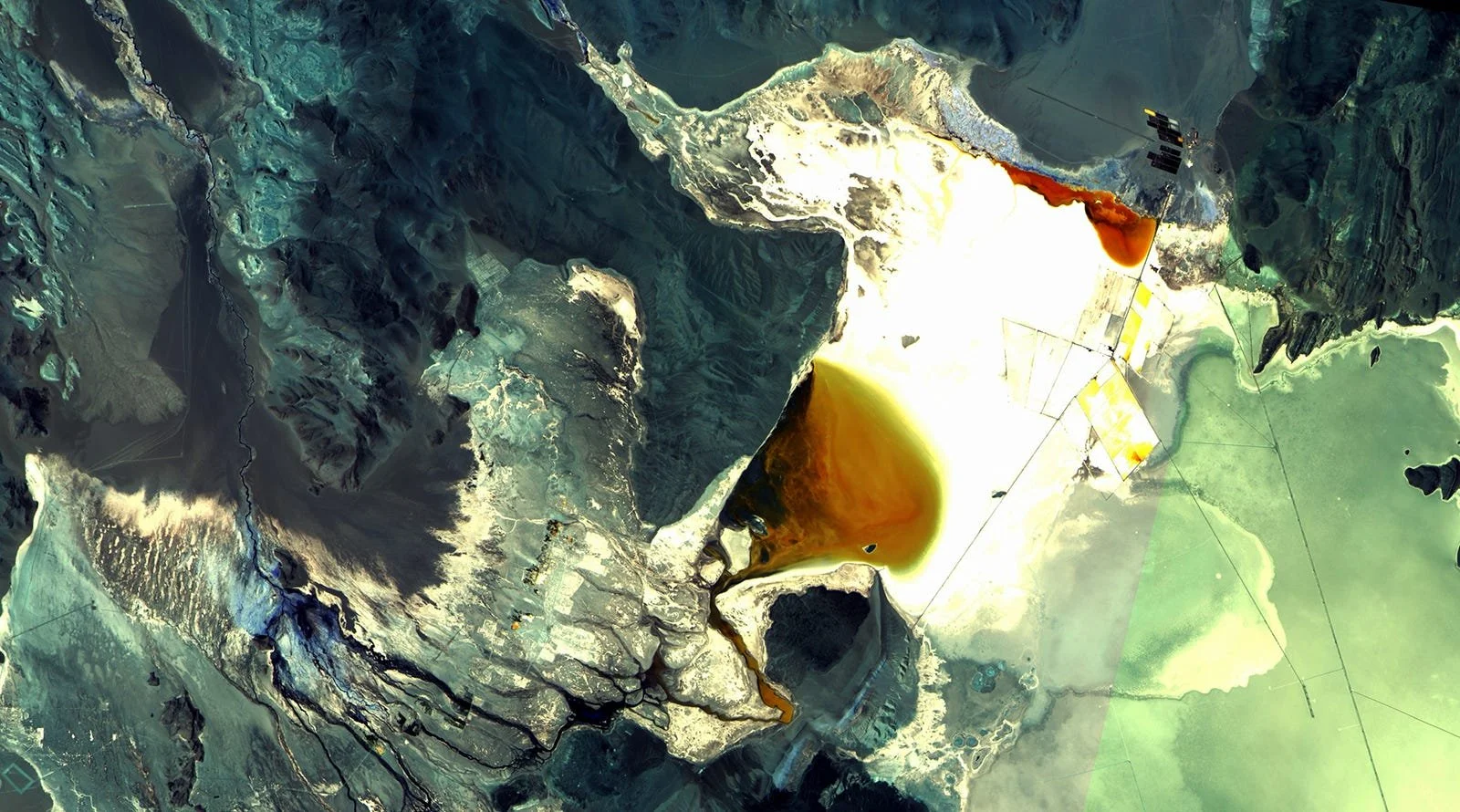
Argentina’s Bailout and the New Digital Extractivism

Cisco, Nvidia, and the Economics of Tech Bubbles
